
Fuel Arrangements
- Home
- /
- Services
- /
- Fuel Arrangements
Fuel Quantity
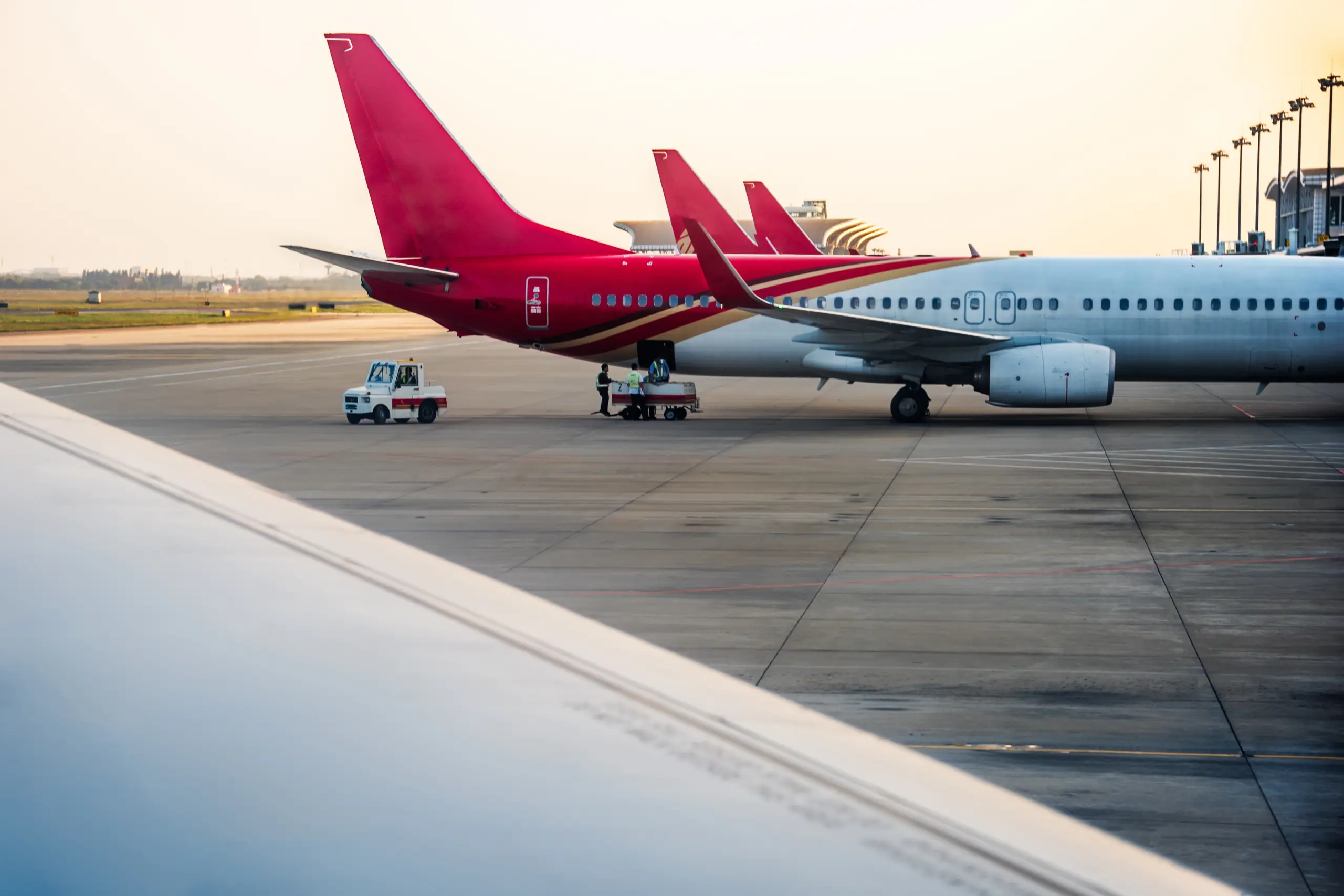
Fuel quantities are based on the aircraft’s payload, route distance, weather conditions, and alternate airports. Large aircraft require more fuel and may need multiple fuel trucks or more time if using hydrant systems.
Safety and Compliance
Strict adherence to fueling safety protocols, especially during high-turnover times, with clear communication between the ramp crew, fuel supplier, and the airline.
1. Commercial Airliners (Narrow-body and Wide-body Aircraft)
Fuel Type
Typically, these aircraft require Jet-A1 fuel, which is the most common type of aviation fuel for commercial jets.
Fuel Uplift Timing
Coordination with the airline’s ground crew and air traffic control to schedule fueling during the aircraft’s turnaround time, usually between deboarding and boarding.
Fuel Trucks or Hydrant Systems
Large commercial airports often use hydrant refueling systems connected to underground pipelines for wide-body and narrow-body jets to minimize fuel truck traffic and ensure faster fuel delivery. Smaller airports may rely on fuel trucks.
2. Private Jets and Business Aircraft
Fuel Type
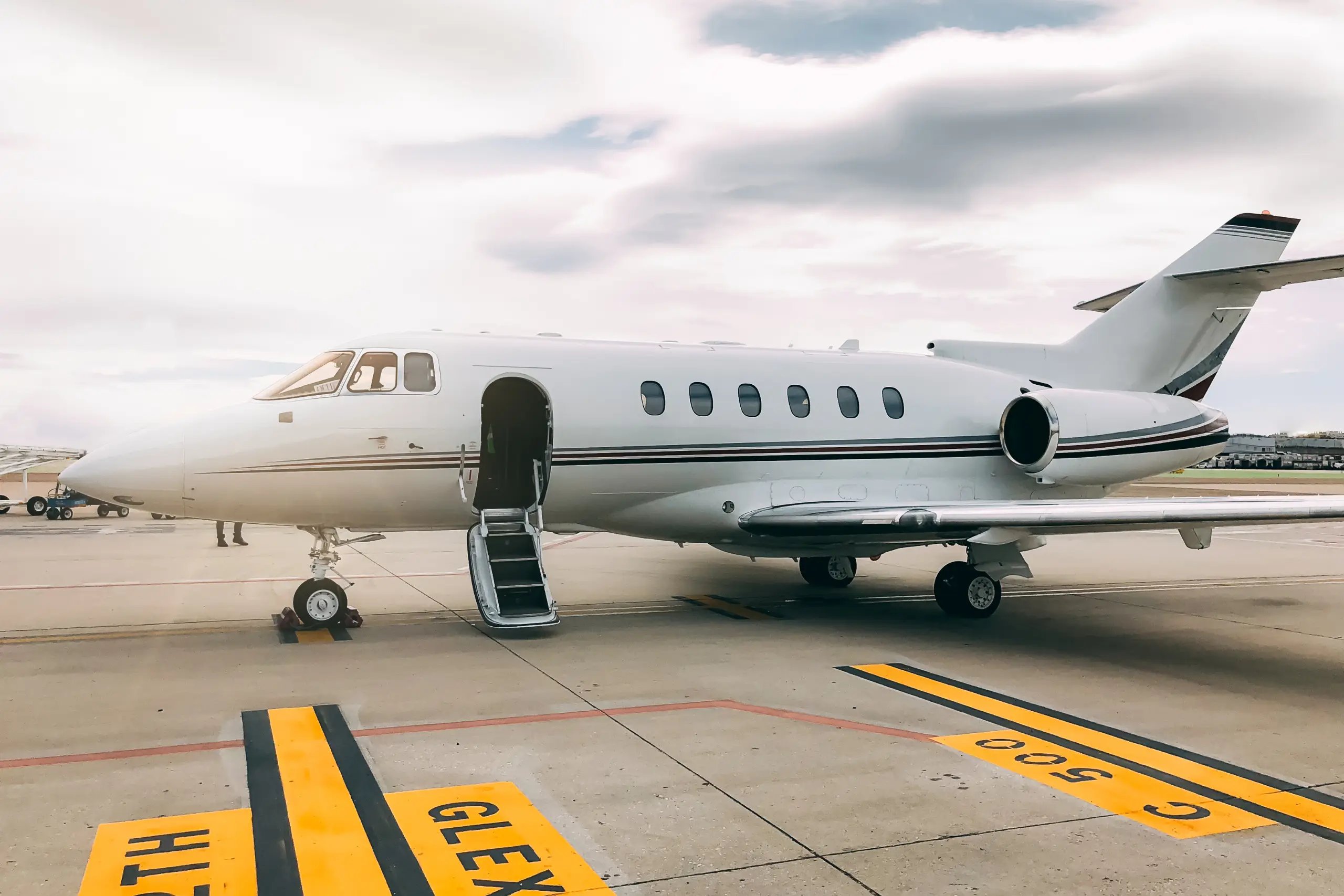
Private jets typically use Jet-A1 fuel as well, though some smaller jets may also use Avgas depending on the engine.
Fuel Delivery Options
Business jets often operate at dedicated terminals (FBOs—Fixed Base Operators), where dedicated fuel trucks service their refueling needs. FBOs generally coordinate fuel services to ensure quick turnarounds.
Fuel Flexibility
Private jet operators often require flexible fuel options, including custom fuel contracts or on-demand refueling services for ad-hoc flights.
Rapid Turnaround
Since business jets typically have shorter ground times, the coordination focuses on rapid refueling to meet tight schedules for VIP or business passengers.
3. Helicopters
Fuel Type
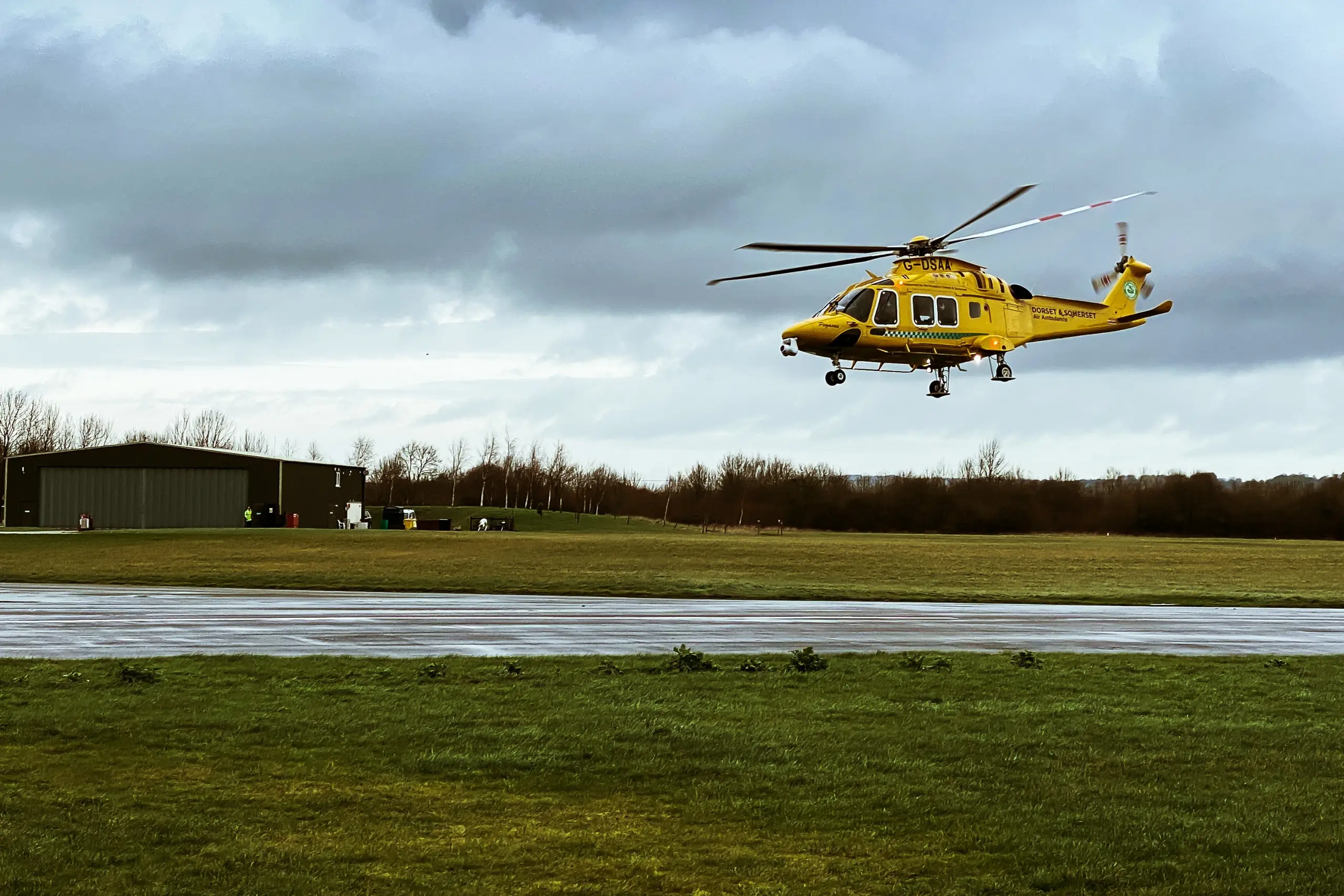
Helicopters, depending on the model, use either Jet-A1 or Avgas (for piston-engine helicopters).
Fuel Delivery Challenges
Helicopters often require refueling at remote locations or helipads where traditional fueling infrastructure like fuel hydrants is unavailable. In these cases, fuel trucks or portable fuel stations are required.
Fuel Safety and Refueling Positioning
Helicopter fueling presents unique challenges due to their design. Refueling is typically done with rotors off and may require positioning the helicopter carefully due to ground clearance issues.
4. Cargo Aircraft
Fuel Type
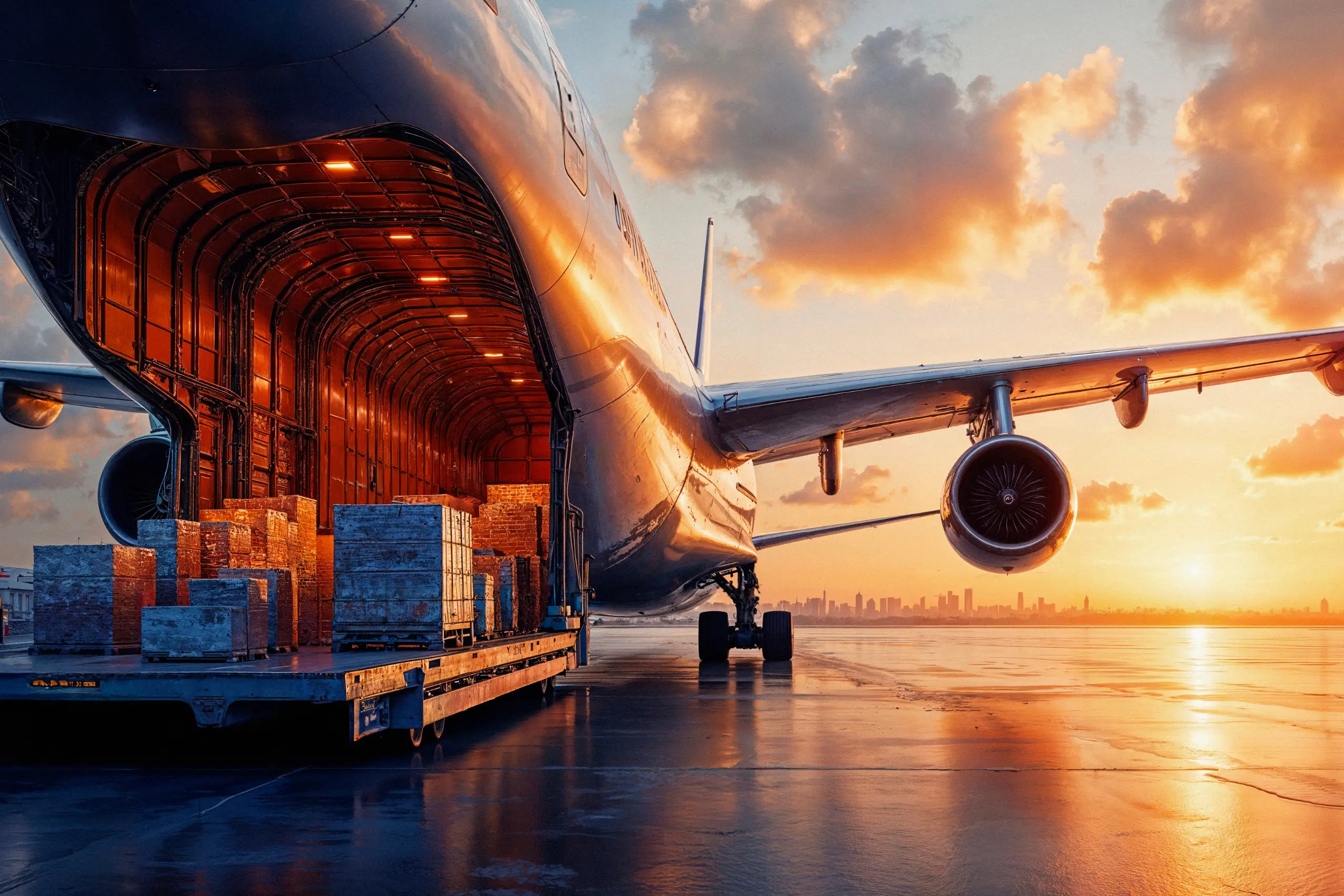
Cargo aircraft, similar to passenger jets, typically use Jet-A1 fuel.
Fueling Based on Payload
Cargo aircraft tend to have variable payloads, and fuel coordination needs to adjust to the aircraft’s maximum takeoff weight (MTOW) and the payload being carried, along with the distance and weather conditions.
Tight Schedules
Cargo operators often have very strict schedules, and fueling coordination must be precise to avoid any delays that could affect cargo delivery timelines.
Quick Turnaround Services
Larger airports may use hydrant systems to expedite the refueling of large cargo aircraft, while smaller airports may rely on fuel trucks.
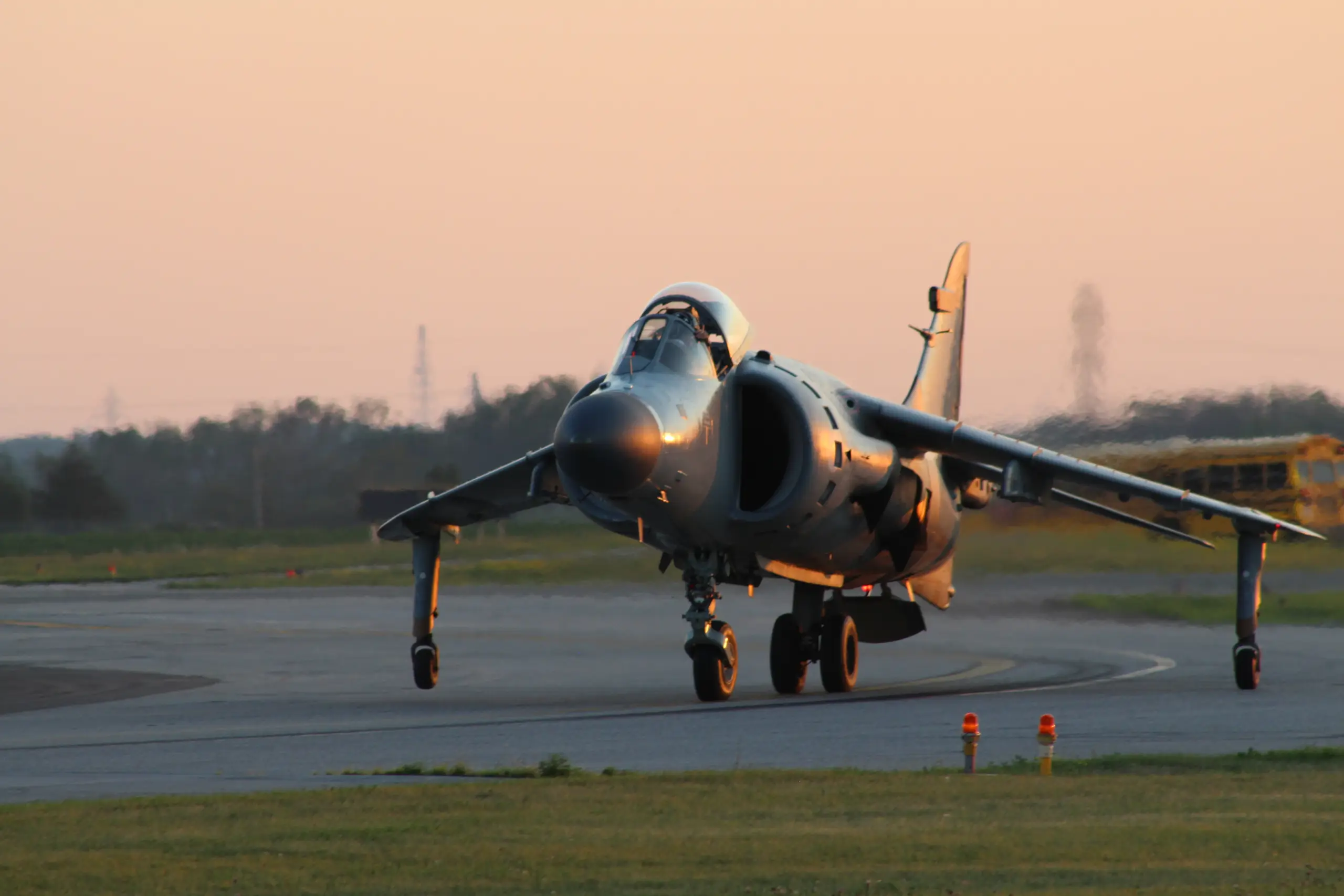
5. Military Aircraft
Fuel Type
Most modern military aircraft use Jet-A1 fuel, though some specialized aircraft may require military-grade fuel (JP-8) or other specific types.
Security and Privacy
Fueling coordination for military aircraft may require additional security measures, and fuel providers may need clearance to service military planes
Specialized Fuel Handling
Military aircraft may have unique fueling requirements, such as specific fueling equipment, fuel additives, or high-speed refueling for tactical readiness.
Remote Fueling
For military operations, fuel coordination may involve setting up temporary fueling stations in remote or field environments.
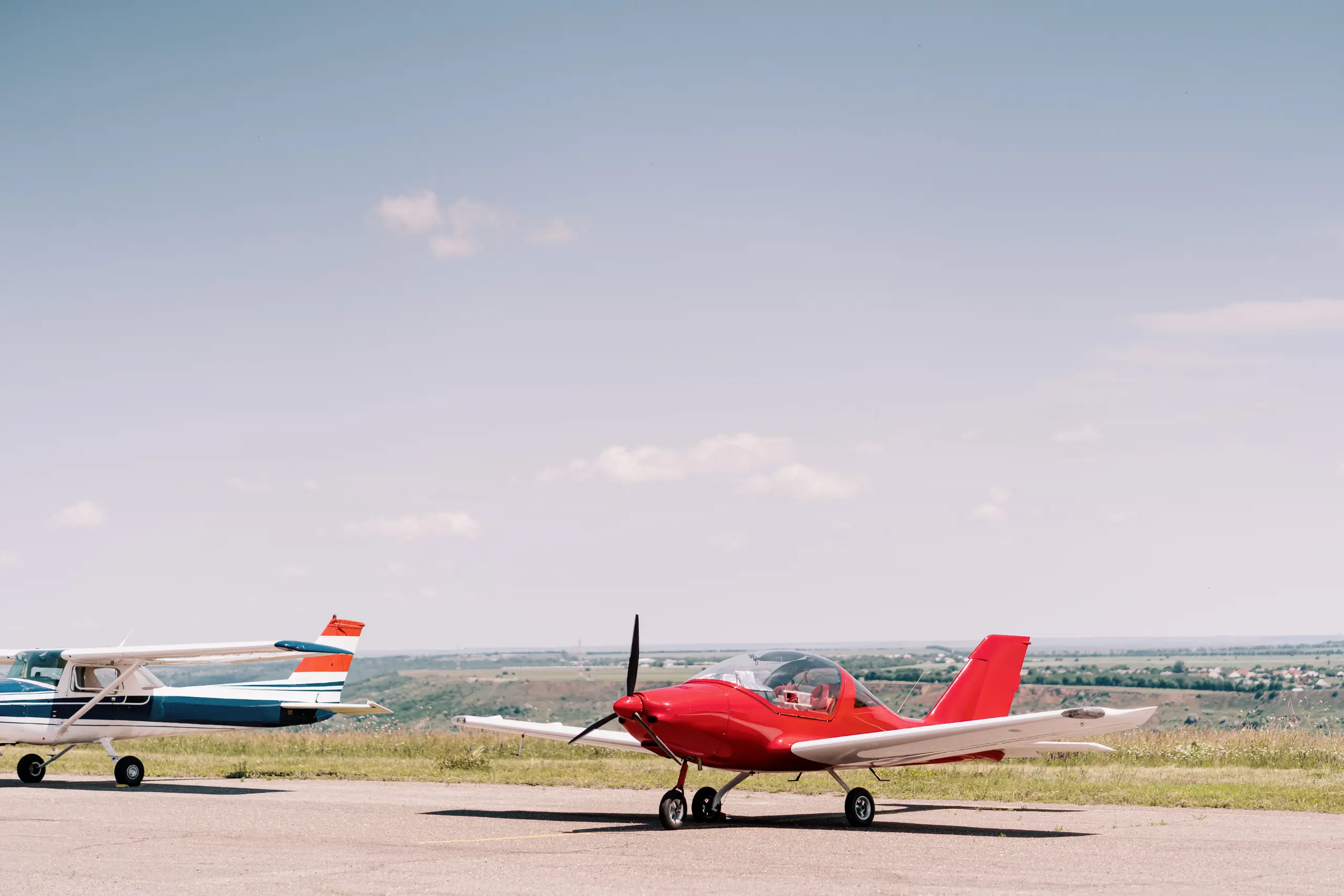
6. General Aviation (Light Aircraft)
Fuel Type
General aviation aircraft, especially smaller piston-engine planes, often require Avgas 100LL (low-lead aviation gasoline), while larger turboprop aircraft may use Jet-A1.
Fuel Accessibility
General aviation aircraft are typically refueled by mobile fuel trucks or at FBOs, with some airports offering self-service fueling options for private pilots.
Fuel Quantity and Flexibility
Small aircraft generally require much smaller fuel loads, and coordination may include flexibility for on-demand refueling for unscheduled flights.
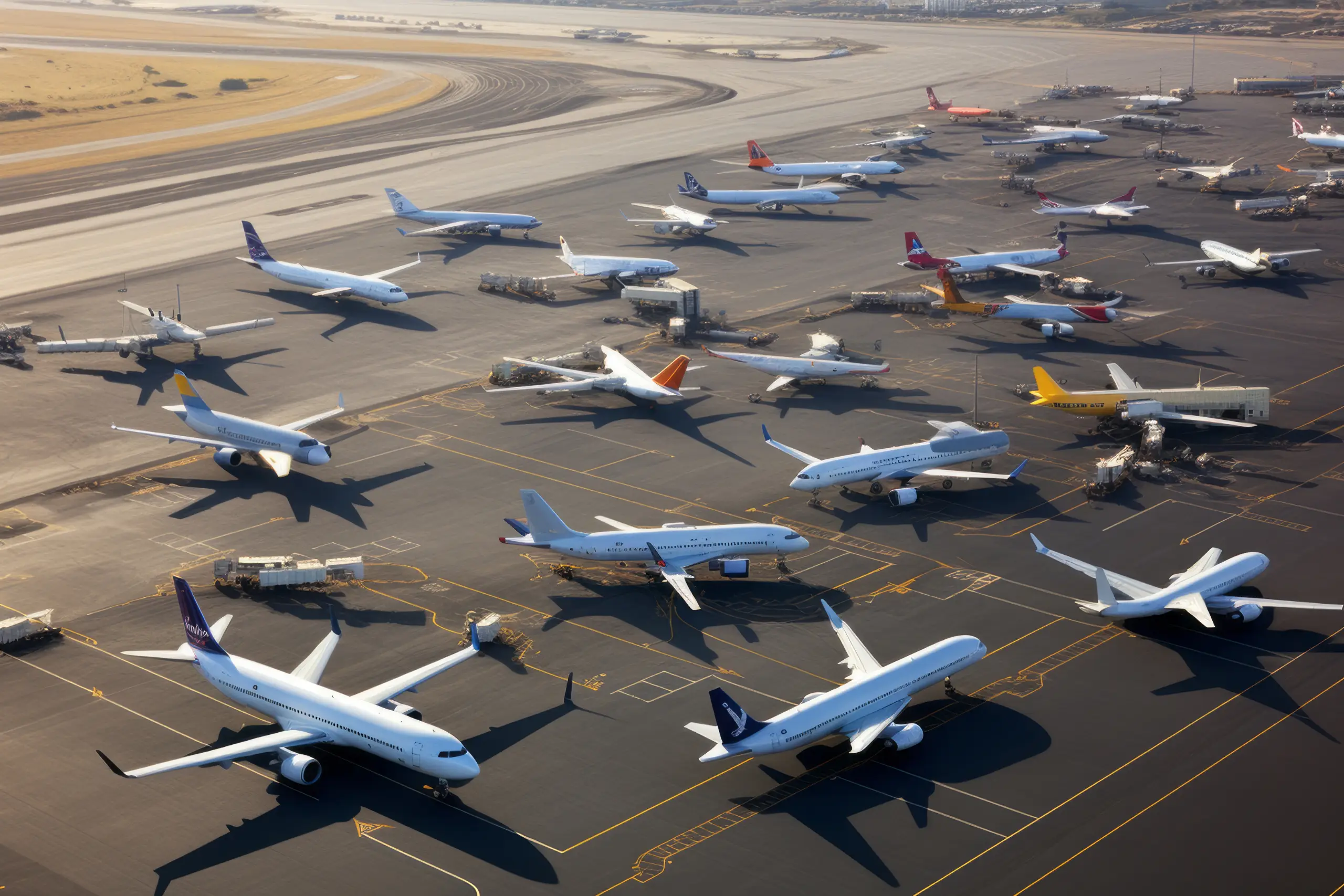
7. Regional Aircraft (Turboprops and Regional Jets)
Fuel Type
Turboprop and regional jets usually use Jet-A1 fuel.
Fuel Delivery Systems
Depending on the size of the airport, regional aircraft may be refueled via fuel trucks or hydrant systems. Smaller regional airports primarily rely on fuel trucks.
Fuel Quantity
Regional flights generally have shorter distances, requiring lower fuel loads than long-haul flights, but careful planning is still necessary to factor in payload, alternate airports, and adverse weather conditions.
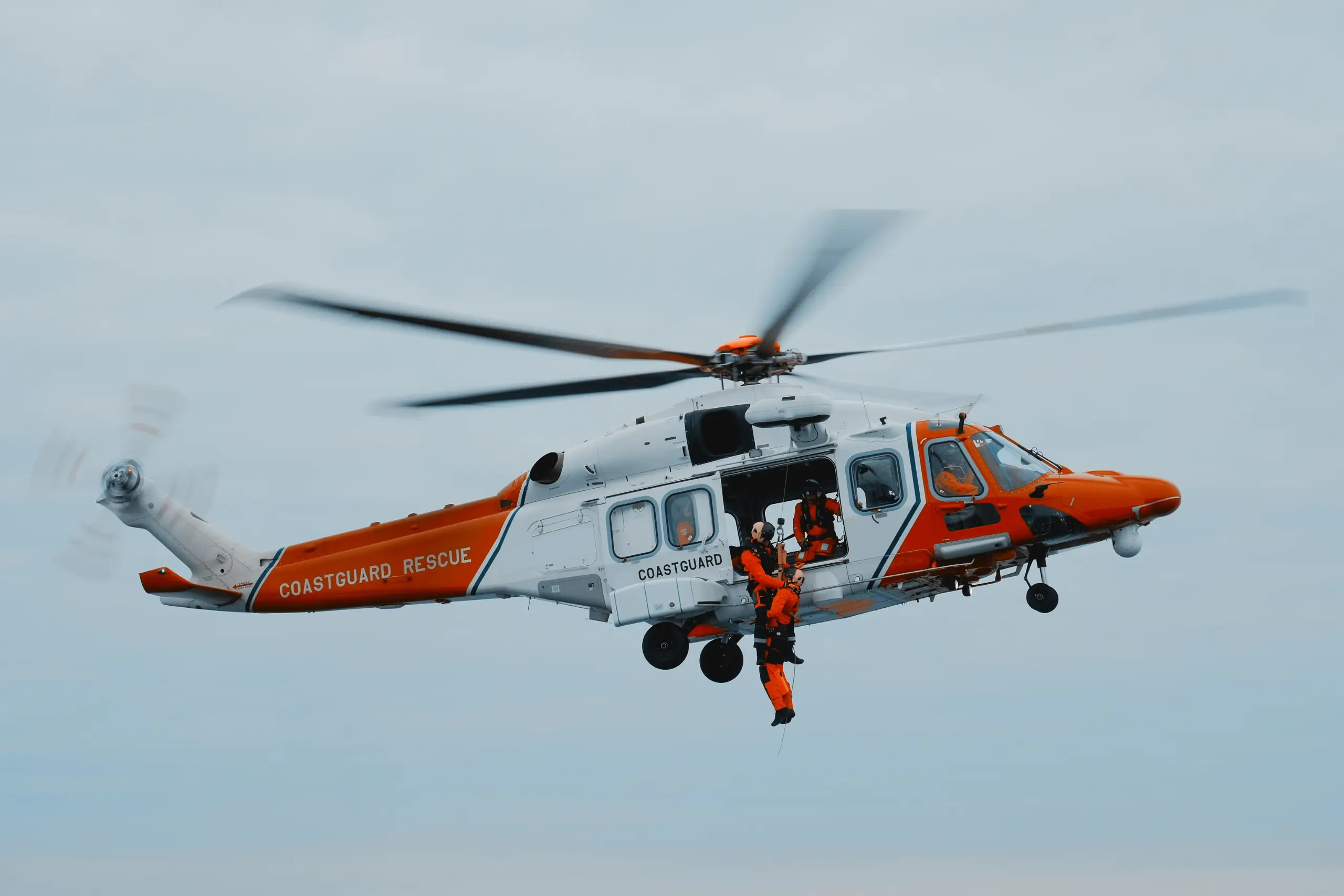
7. Emergency and Rescue Aircraft
Fuel Type
Emergency aircraft, including air ambulances and rescue helicopters, may use Jet-A1 or Avgas depending on their engine type.
Priority Refueling
These aircraft may require priority fueling services to ensure rapid turnaround for critical missions.
On-Demand Fueling
Emergency aircraft often need flexible, on-demand fueling services that are available at short notice to support rescue and medical operations.